
Robots Are the New Public Safety Infrastructure
What happens when robots become as essential as fire trucks, radios, and turnout gear.

“Technology made large is always the story of civilization.” — Thomas Carlyle
There is a quiet revolution reshaping how cities, utilities, and emergency response agencies prepare for disasters. It isn’t marked by dramatic ribbon-cuttings or bold policy speeches. It’s happening in the ordinary decisions made inside firehouses, emergency operations centers, and municipal procurement offices. A city orders a quadruped. A hazmat team acquires a teleoperated crawler. A utility company integrates inspection robots into its post-storm workflow. Individually, these choices seem small. Collectively, they reveal a transformation that has been hiding in plain sight: robots are no longer experimental tools or futuristic novelties. They are becoming public safety infrastructure.
And infrastructure is the correct term. Not gadgets. Not pilot projects. Infrastructure — the category we reserve for the foundational systems we trust with lives and livelihoods: fire engines, radios, water mains, electrical grids, 911. The story of response robotics is shifting from invention to integration, from “can it work?” to “how do we standardize it?” In that sense, the growing role of robotics in emergency response is not just a technological shift; it is a cultural and institutional one. And, as with every major evolution in public safety, its success will hinge on standards, training, testing, and trust.
What Counts as a Response Robot?
The term “response robot” has long been associated with bomb disposal or perhaps a drone hovering above a wildfire. But the field has expanded beyond those early archetypes.
ASTM International’s E54.09 Response Robots subcommittee, under Committee E54 on Homeland Security Applications, uses a purpose-driven definition:
A response robot is any robotic system designed to support public safety, emergency response, or disaster mitigation operations.
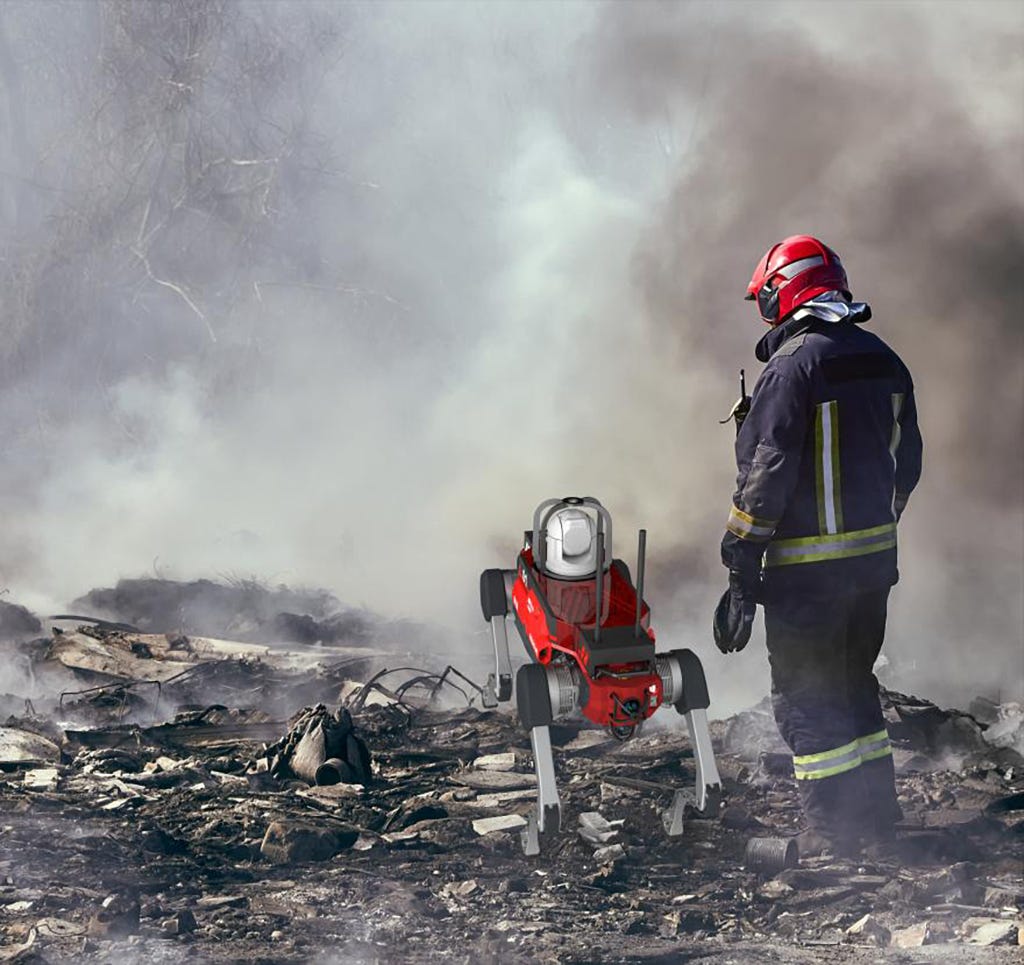
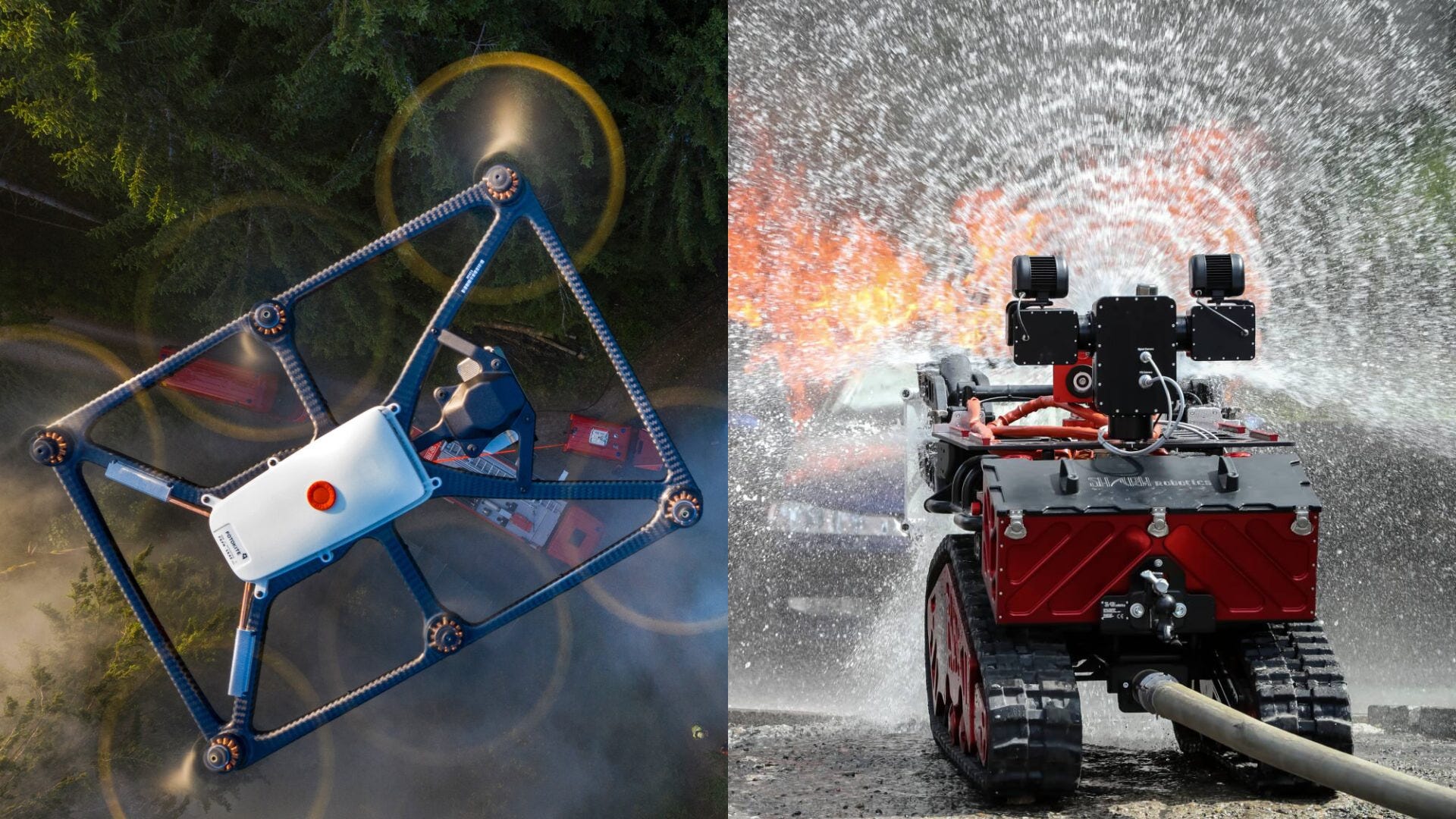
That frame opens the door to a broad and rapidly diversifying ecosystem. Quadrupeds now walk into burning buildings to identify hotspots and structural threats. Tracked ground vehicles crawl through chemical spill zones where humans cannot safely tread. Drones navigate collapsed structures, map wildfire perimeters, or provide first-on-scene eyes for both fire and police departments. Marine robots inspect levees, survey storm damage, and search underwater for victims or debris. Even wearable robotics — exoskeletons and powered support systems — are emerging as tools to enhance responder endurance and reduce fatigue.
The definition matters because it shifts the conversation. Robots are not “add-ons” to emergency response; they are partners. Once that mental shift occurs, the question becomes not whether robots should be used, but how they should be evaluated, trained for, and integrated into operational doctrine. That is a standards conversation — not a hype conversation.
Special Note
ASTM E54.09 sits under E54 Homeland Security Applications because response robots serve public safety, homeland security, and emergency operations, not general automation and robotics, which falls under ASTM F45. These robots must align with responder doctrine, hazardous environments, and FEMA/DHS requirements. F45 is general, technology-focused; E54 is mission-focused—making E54 the proper home for first-responder robotic standards.
Firefighting and Hazmat: Where Quadrupeds Found Their Purpose
In many ways, quadrupeds have become the emblem of the response robotics era. They are the most visible symbol of robots entering hazardous spaces, and their capabilities align naturally with the needs of modern fire and industrial emergency teams. What began as a handful of trials and flashy conference demos has become a steady, quiet adoption wave.
Firefighters now send robots into structures while smoke still roils through hallways. The robots stream thermal images, detect victims, and identify structural risks without exposing responders to early-stage fire conditions. Hazmat teams use them for sampling and reconnaissance around derailed tanker cars, triggered alarms in industrial settings, or suspected gas leaks. After explosions or building collapses, quadrupeds navigate surfaces that would be impossible for wheeled robots, evaluating stability before human entry. Industrial facilities have begun integrating robots into their emergency routines as well, particularly in high-heat or toxic environments where human exposure is extremely limited.
What unlocked this shift wasn’t just mechanical ruggedness or falling prices. It was the maturation of embodied intelligence — the sensing, mapping, and navigation capabilities that allow robots to move with purpose rather than purely react to inputs. But equally important was the emergence of standards. When responders can evaluate robots using common metrics and common test methods, they can trust them. Without that trust, quadrupeds would still be stuck in pilot purgatory.
Drones as the New First Responders
The rise of aerial robotics in emergency response is often discussed in terms of wildfire monitoring or post-storm surveys, but a deeper shift quietly took hold over the past two years: drones began arriving at incidents before firefighters, police officers, or paramedics. Cities with drone-as-first-responder programs now routinely rely on aerial robots to assess scenes, identify threats, locate victims, and map hazards long before humans reach the site.
Fire departments are applying similar logic. Drones provide real-time thermal and optical assessments of roof structures, attic spaces, wildfire perimeters, and inaccessible interior rooms. They fly into collapsed buildings or confined spaces too dangerous for human entry. Utility companies use them to inspect downed lines in the aftermath of hurricanes, guiding repairs without waiting for full safety clearance.
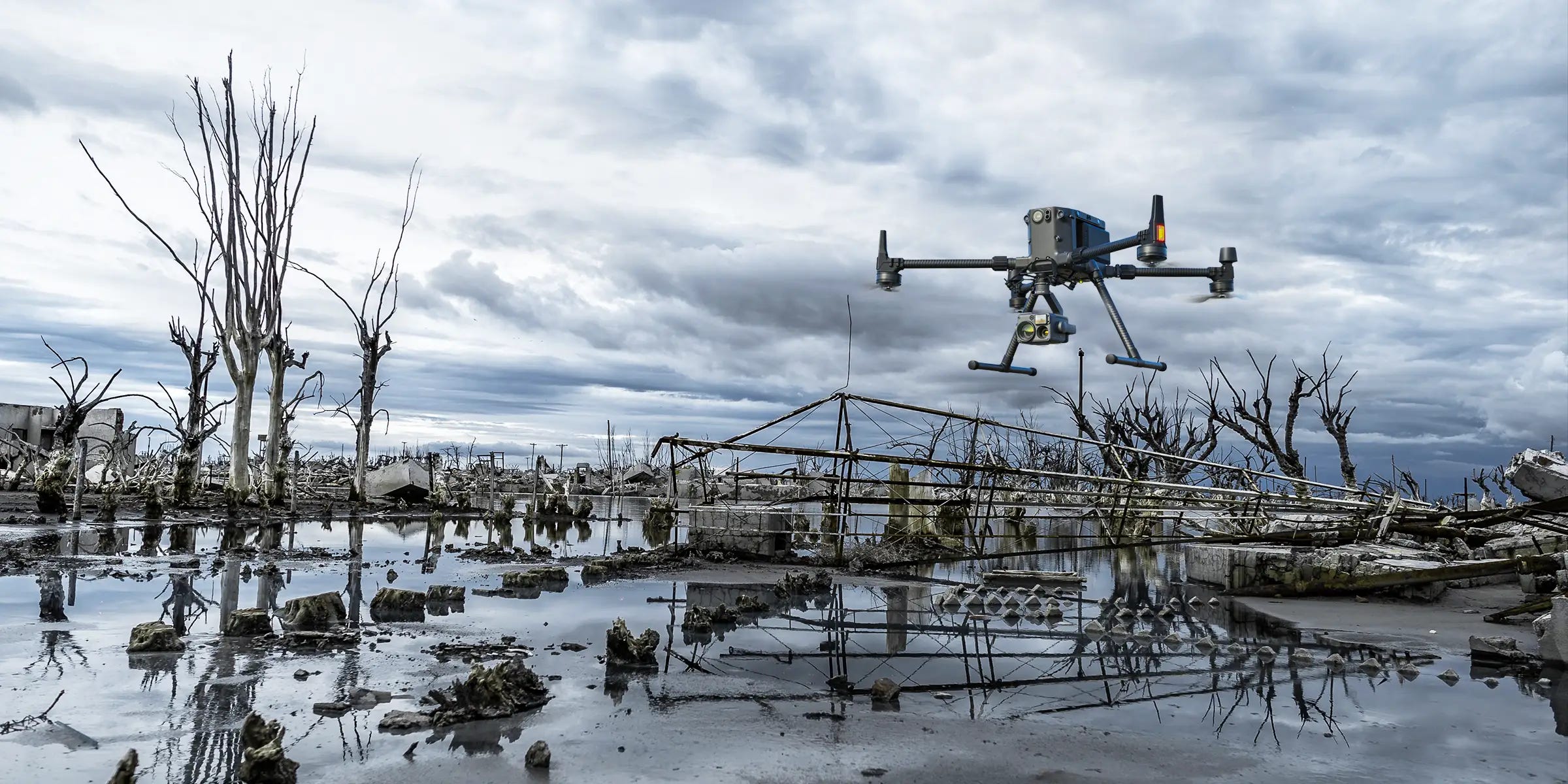
But with this new role comes responsibilities. Drones operate in constrained airspace. They navigate unpredictable environments. They rely on sensors and autonomy modes whose reliability must be understood and quantified. That is where test methods, sensing benchmarks, and autonomy standards become indispensable. If drones are to be treated as essential tools, their performance must be measured with the same rigor we apply to radios or personal protective equipment.
Marine Robots: The Underreported Frontier
Perhaps the most under-discussed segment of response robotics is happening underwater. Marine robots are emerging as critical assets for regions experiencing more frequent floods, hurricanes, and coastal erosion. They can perform rapid structural assessments of bridges, levees, and docks. They search murky water for victims or debris. They evaluate damaged stormwater systems without requiring divers to descend into hazardous conditions. They inspect hulls and ports for threats or for post-storm damage.
As climate-driven disasters intensify, marine robotic response will no longer be a side discipline but a core one. Yet this is also the subfield where standards remain the most sparse. The hardware exists. The operational need is clear. What’s missing is the shared framework for evaluating performance, durability, deployment protocols, and operator training.
Why 2025 Became an Inflection Point
The year 2025 marks a new chapter in response robotics, not because of a single breakthrough but because of converging pressures. Workforce shortages across fire service, utilities, and emergency management are pushing departments to seek tools that amplify rather than replace human capability. Climate-driven disasters are becoming more frequent, more destructive, and more complex. And embodied AI is enabling robots to navigate difficult terrain, perceive environments with precision, and collaborate with human operators in ways that were nearly impossible a decade ago.
These three forces — labor, climate, intelligence — created a simple but profound reality: public safety agencies are no longer adopting robots out of curiosity. They are adopting them out of necessity. The response community is not asking whether robots belong in emergency operations, but how to scale their use safely, affordably, and reliably. That shift is what makes this moment historic.
The Quiet Backbone: Standards and the Work of ASTM E54.09
For all the attention given to the robots themselves, the true infrastructure enabling this transformation is largely invisible. It is the standards community — and in particular ASTM’s E54.09 subcommittee — that makes response robotics functional, interoperable, and trustworthy.
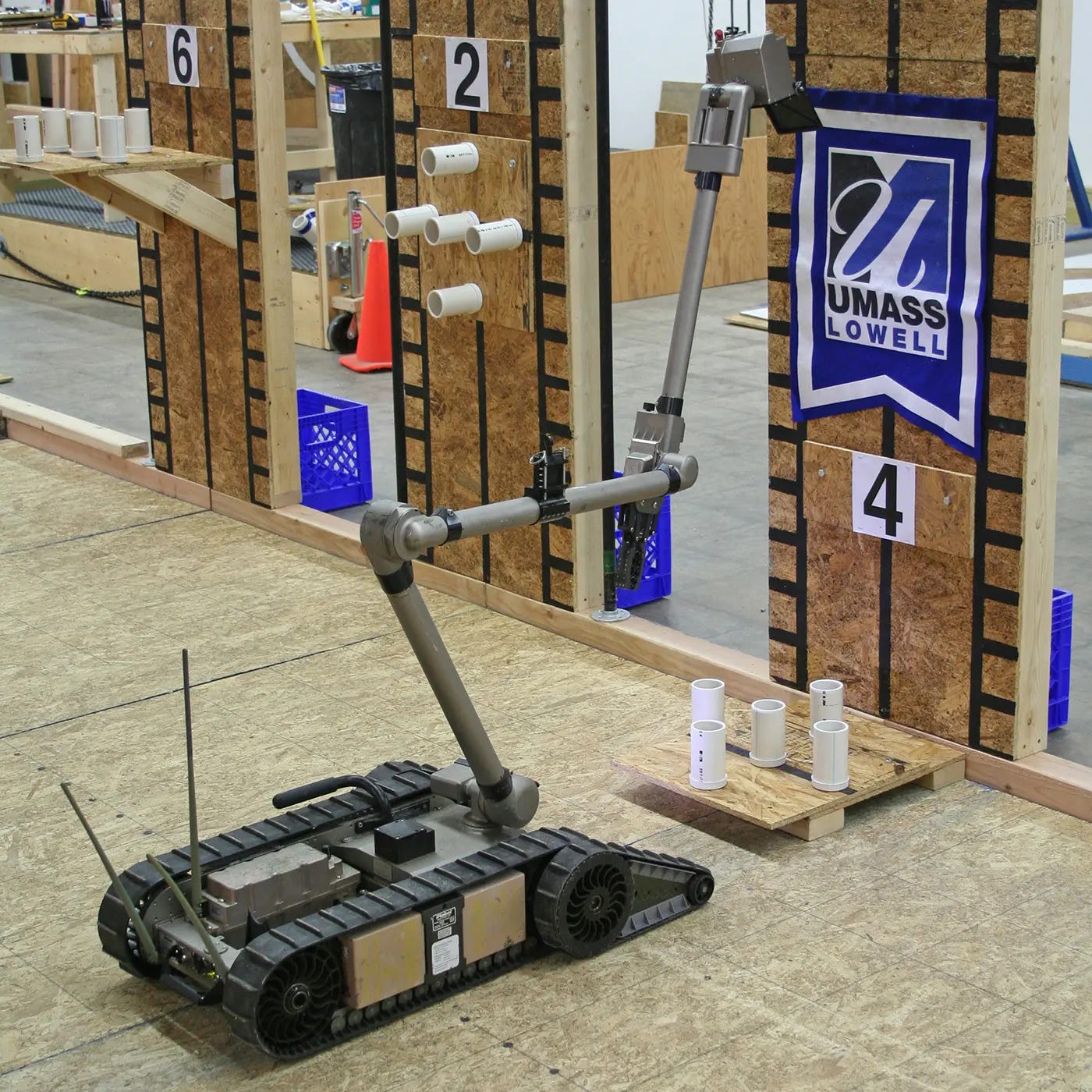
E54.09’s work establishes how robots should be tested, how their sensing capabilities should be evaluated, how autonomy should be benchmarked, and how operator training should be structured. It provides the language that allows agencies to compare one robot to another across vendors. It defines test environments that replicate real-world hazards — smoke, debris, radiation, low visibility, uneven terrain — in controlled and repeatable ways. And it offers procurement frameworks that let chiefs and directors purchase tools based on evidence, not marketing spectacle.
The public rarely sees this work, but responders feel it every time they deploy a robot into harm’s way. Standards are what turn a promising machine into a reliable teammate.
The NIST Engine Behind It All
The research and evaluation ecosystem surrounding response robotics would not function without NIST. Its role in developing test environments, running competitions, and gathering performance data makes it the beating heart of the Research-to-Standards pipeline.
One of NIST’s most significant contributions is its creation of neutral, scientifically grounded testing environments. These subterranean mazes, rubble piles, uneven terrain fields, smoke chambers, and darkened structures allow robots to be evaluated in conditions that mirror real disasters. This gives responders confidence that claims about mobility, sensing, or endurance have been vetted beyond manufacturer demonstrations.
NIST’s presence at ICRA, IROS, RoboCup Rescue, and other competitions serves a second, equally crucial function. Competitions provide a high-pressure environment where developers must test autonomy and operator interfaces in scenarios that mimic real operations. The resulting data feeds directly into refining test methods and informing standards. It is one of the clearest examples of how public research, industry innovation, and standards development can work together to accelerate a field.
The Consequences of Failing to Treat Robots as Infrastructure
The stakes of this shift are high. If agencies procure robots without standardized evaluation, the results can be dangerous or counterproductive. Robots may fail during critical incidents, forcing human responders back into harm’s way. Data incompatibilities between different robot types can cripple multi-agency operations. Budget waste from poorly performing systems can erode political support for future adoption. And most damaging of all, public trust can be undermined if robots fail in highly visible emergencies.
Infrastructure demands reliability. The tools responders use must not merely function; they must perform predictably, consistently, and safely. Without standards and robust testing, the field risks undermining its own momentum.
Building a National Response Robotics Framework
If we accept that robots are becoming public safety infrastructure, then the natural next step is to create a national framework that treats them as such. This would include regional test and training facilities modeled on NIST’s environments; standardized training pipelines that prepare responders to operate and maintain robotic tools; procurement guidelines tied to ASTM standards; coordinated R&D challenges that encourage industry to build for real responder needs; and shared data frameworks that capture lessons learned from deployments.
Such a framework would not only support local agencies — it would create a unified national capability. Disasters increasingly cross city, county, and state boundaries. The tools we use to address them should not fragment along the same lines.
A Future of Multi-Agent Robotic Response Teams
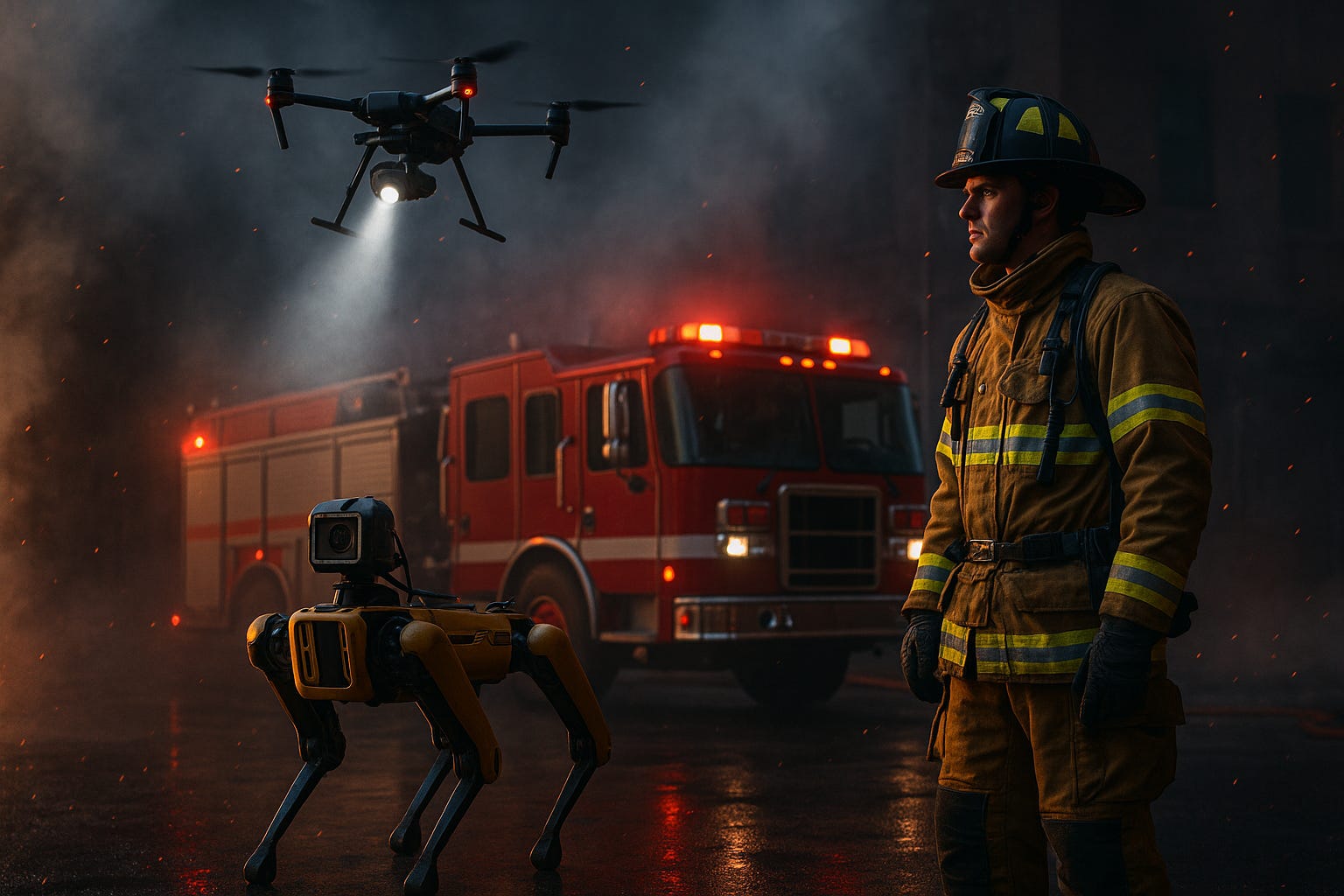
If today’s robotics deployments feel transformative, they are only a glimpse of what the coming decade will bring. Advances in autonomy and Physical AI will enable multi-agent robotic teams to operate together in ways that mirror human units. Quadrupeds will scout interior structures while drones map roofs and marine robots assess sub-surface damage. All of them will feed data into shared platforms where responders can monitor danger, allocate resources, and make decisions with unprecedented situational awareness.
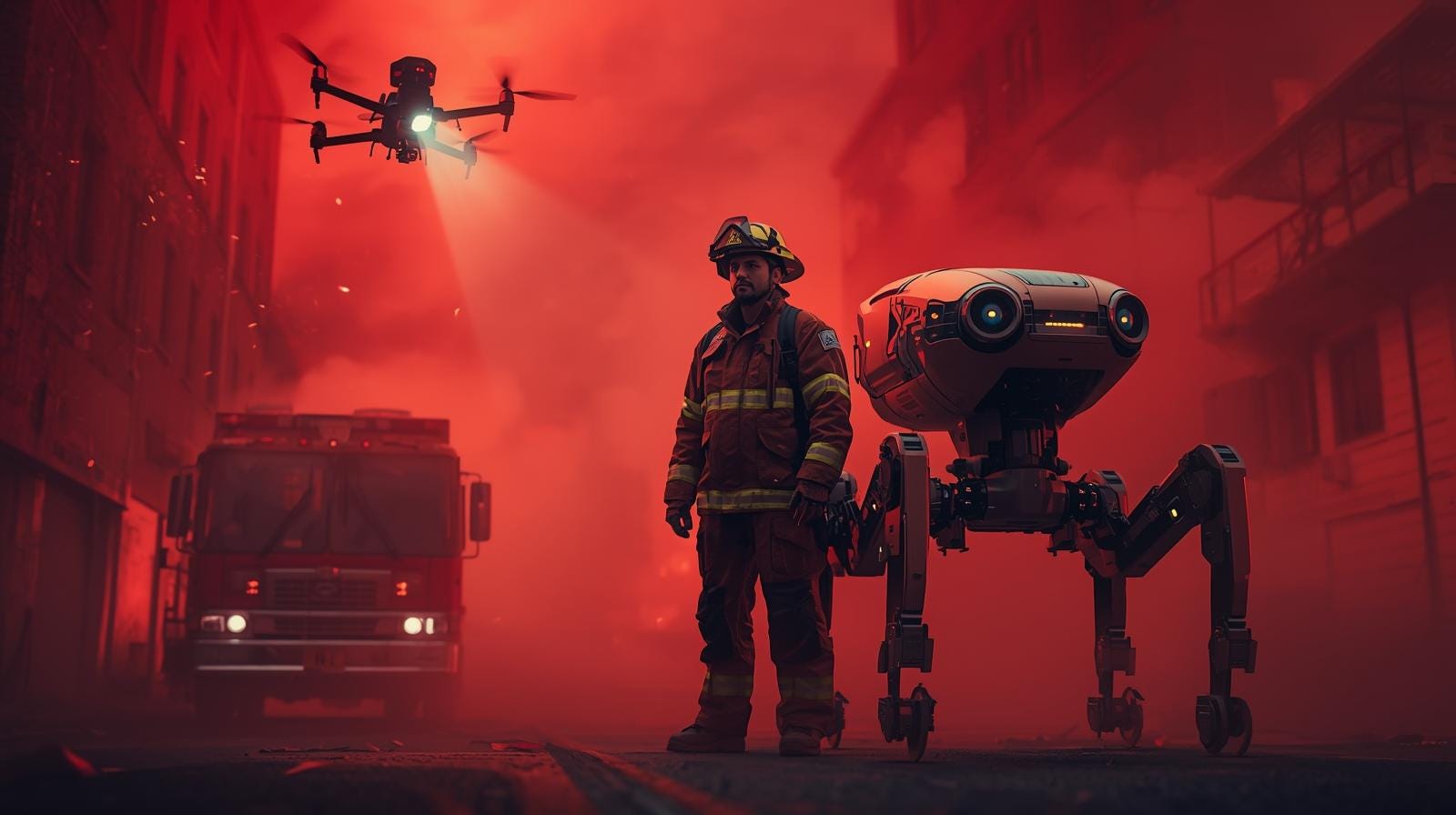
The future of response robotics is collaborative, multi-modal, and deeply integrated. But none of it is possible without a foundation of standards.
The Courage to Build Safely
For generations, public safety infrastructure has evolved through steady improvements — better engines, safer gear, faster communications. Robotics marks a new kind of evolution, one that introduces tools capable of entering places too dangerous for humans, perceiving threats invisible to the human eye, and performing tasks that amplify the safety and efficiency of responder teams.
But tools alone do not create safety. Infrastructure does. And infrastructure requires standards.
If the 20th century was defined by fire trucks, radios, and turnout gear, the 21st century will be defined by the robots that work beside them — and the standards that ensure those robots are not just impressive, but indispensable.
Robots are no longer the future of public safety.
They have already become its newest infrastructure.
Robot News Of The Week
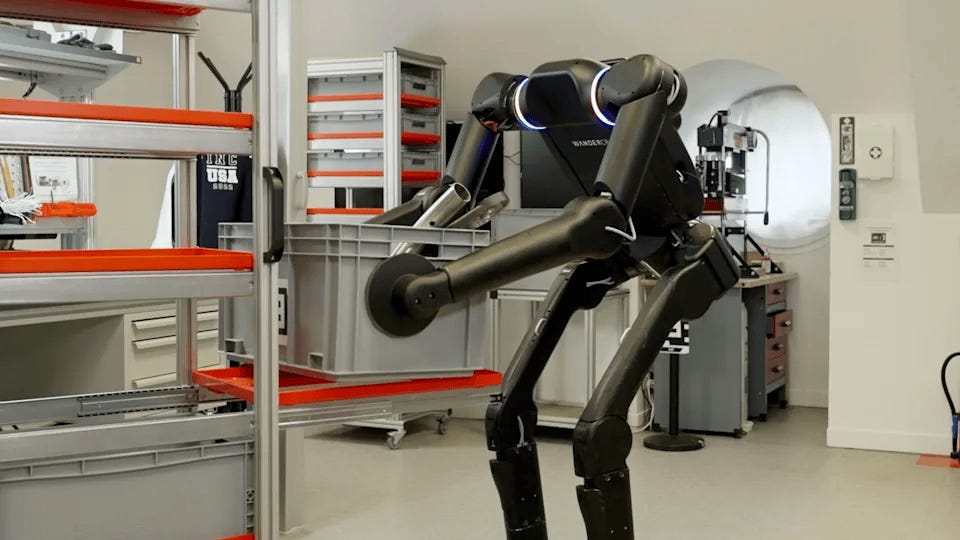
Wandercraft has partnered with Italy’s SAPA Group to deploy its Calvin-40 humanoid robots in automotive manufacturing—marking Europe’s first Tier 1 integration of humanoid robotics. Building on its Renault alliance, Wandercraft is expanding real-world deployments that demonstrate how physical AI can deliver measurable industrial value across Europe’s evolving automation landscape.
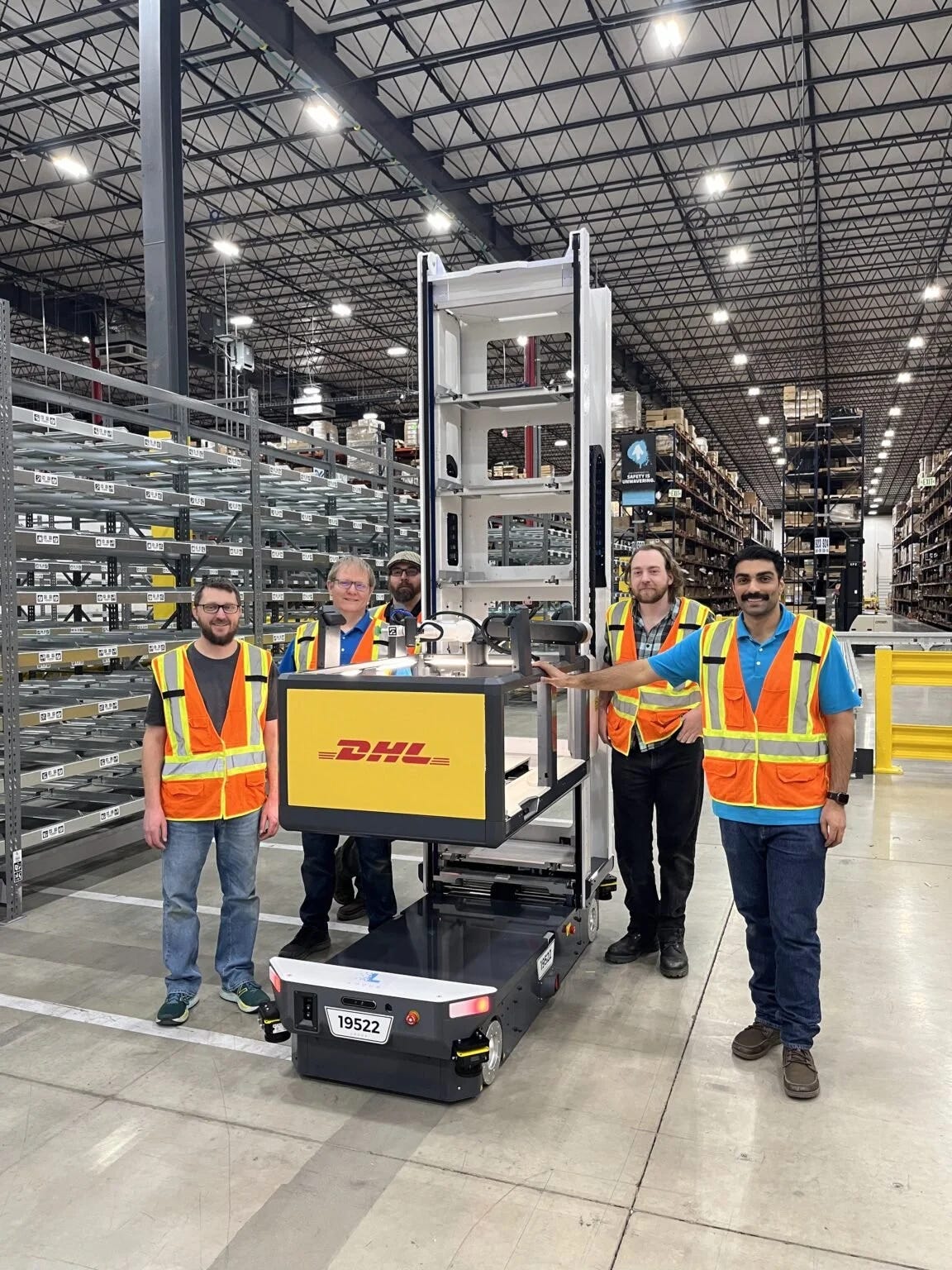
Locus Robotics has begun deploying its new Locus Array system at a DHL facility in Ohio, marking a major step toward fully autonomous warehouse picking and replenishment. The new Robots-to-Goods model reduces manual labor and integrates AI-driven planning and robotic execution, positioning Locus to scale next-generation warehouse automation globally.
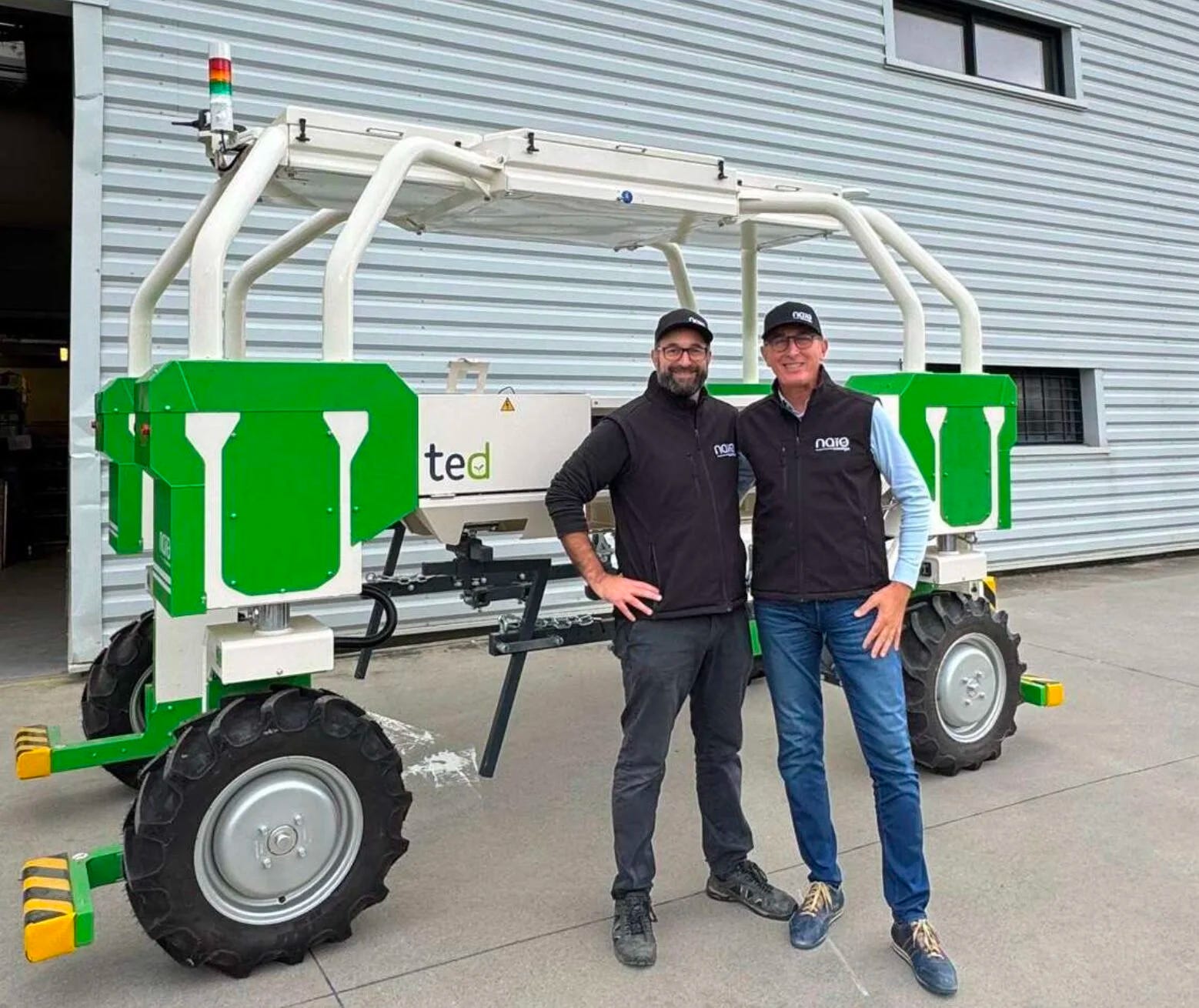
Naïo Relaunches Under New Leadership, Refocuses on Core Farm Robots Ted and Oz
Naïo, the French agricultural robotics pioneer, has been relaunched under new leadership after court approval. The company will streamline operations and focus on its two flagship weeding robots, Ted and Oz, supported by a €6.4M financing package to rebuild production, strengthen dealer networks, and restore farmer confidence.
Robot Research Of The Week
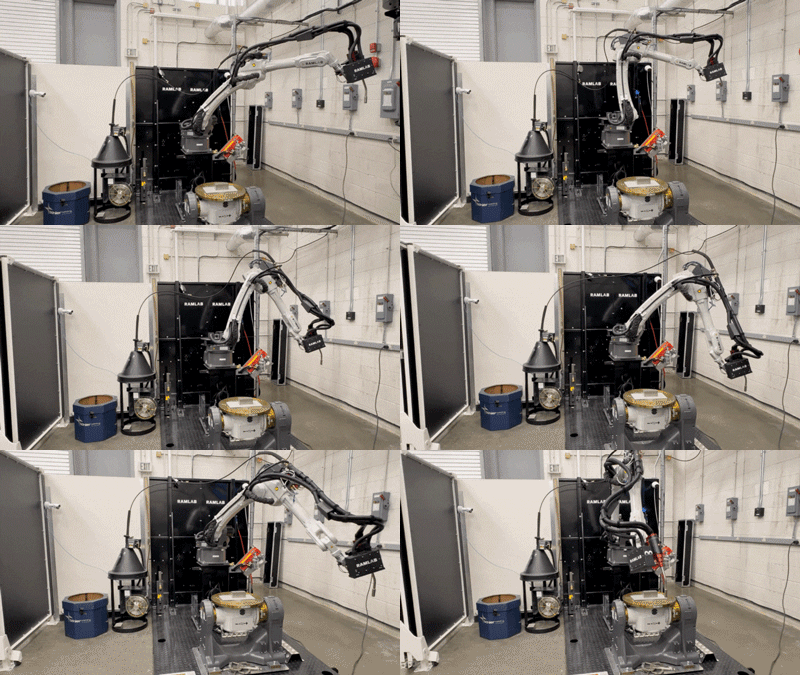
Johns Hopkins APL’s Robotic Arm Targets Maritime Resilience
Johns Hopkins APL has installed a RAMLAB MaxQ robotic arm to advance repair and additive manufacturing for the U.S. maritime industry. Using wire arc additive manufacturing, the system enables faster, lower-cost repairs of large ship components—supporting small business participation, fleet readiness, and a more resilient maritime industrial base.
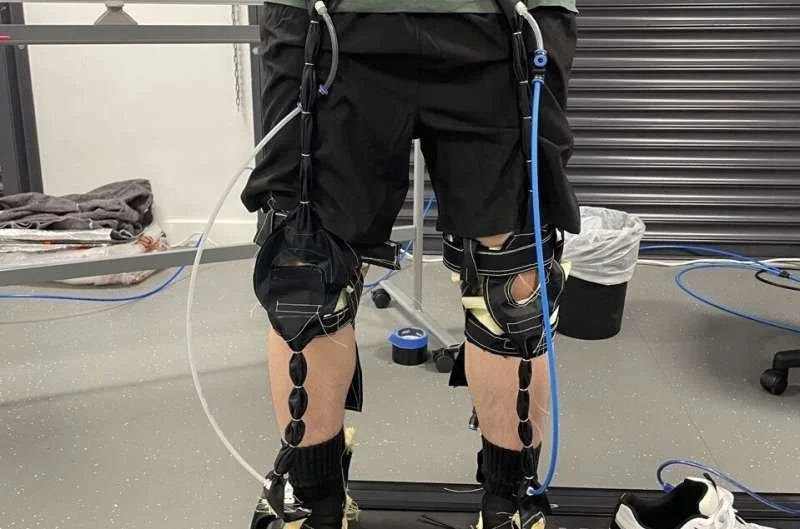
Robotic “Space Trousers” Built for the Moon Could Soon Support Mobility on Earth
A University of Bristol team has developed a soft robotic exosuit—lightweight “space trousers” worn under a spacesuit—to reduce fatigue and support natural movement during Moon and Mars missions. Hand-sewn and powered by artificial muscles, the suit could also evolve into a mobility aid and rehabilitation tool here on Earth.
Robot Workforce Story Of The Week
University of Arkansas-Pine Bluff Expands Hands-On Robotics and Automation Training
University of Arkansas - Fort Smith has expanded its Advanced Manufacturing Lab with new robotics and automation equipment, funded through state and HIRED grants. The upgrades give students hands-on experience with real production systems, preparing them for high-demand regional manufacturing roles as companies increase adoption of automation, AI, and digitally enabled workflows.
Robot Video Of The Week
UBTech has secured over $113M USD in orders for its industrial humanoid robot, the Walker S2, signaling accelerated factory adoption in China. In this somewhat creepy video, we guess they are showing them all of what was before shipping.
Upcoming Robot Events
Dec. 1-4 Intl. Conference on Space Robotics (Sendai, Japan)
Dec. 1-5 SOSV’s VC-Founder Robotics Matchup (Virtual)
Dec. 11-12 Humanoid Summit (Silicon Valley)
Jan. 5-6 UK Robot Manipulation Workshop (Edinburgh, Scotland)
Jan. 6-10 Consumer Electronics Show (Las Vegas, NV)
Jan. 19-21 A3 Business Forum (Orlando, FL)
Jan. 21-23 RoboDEX (Tokyo, Japan)
Feb. 3-5 MD&M West (Anaheim, CA)
Mar. 16-19 Intl. Conference on Human-Robot Interaction (Edinburgh, Scotland)
Mar. 23-27 European Robotics Forum (Stavanger, Norway)
Mar. 29-Apr. 1 IEEE Haptics Symposium (Reno, NV)
Mar. 30-Apr. 2 Global Industrie (Paris, France)
Apr. 20-24 Hannover Messe (Hannover, Germany)
May 27-28 Robotics Summit & Expo (Boston, MA)
June 1-5 IEEE ICRA (Vienna, Austria)
June 22-25 Automate (Chicago, IL)
Sept. 14-19 International Manufacturing Technology Show (Chicago, IL)
Oct. 6-8 Motek (Stuttgart, Germany)