
The Second Wave Problem: Why Automation Doesn’t Destroy Jobs, Late Adoption Does
How uneven adoption of robotics reshapes industries, rewards early movers, and turns automation into crisis for those who wait too long.

“The future is already here — it’s just not evenly distributed.” — William Gibson
For decades, the public conversation around automation has followed a familiar script. Robots arrive. Jobs disappear. Workers suffer.
It is a narrative repeated so often that it feels inevitable and yet it misses the deeper pattern visible across industries over time.
Automation does not affect companies, workers, or regions evenly. Instead, it unfolds in waves. The earliest adopters frequently grow stronger, more productive, and even expand employment. The disruption that fuels public anxiety tends to arrive later, when the rest of the industry scrambles to catch up under pressure.
This dynamic — the uneven diffusion of automation across industries — creates what might be called the Second Wave Problem.
It is not automation itself that causes the greatest disruption. Rather, it is delayed adoption, when robotics and AI are implemented reactively, under shrinking margins and constrained timelines.
As robotics accelerates across logistics, manufacturing, healthcare, agriculture, and construction, understanding this pattern is becoming essential for leaders, policymakers, and workers alike.
The Myth of Immediate Job Loss
The dominant narrative surrounding automation assumes a direct relationship between machines and unemployment: a robot arrives, a worker disappears.
Economic research suggests otherwise.
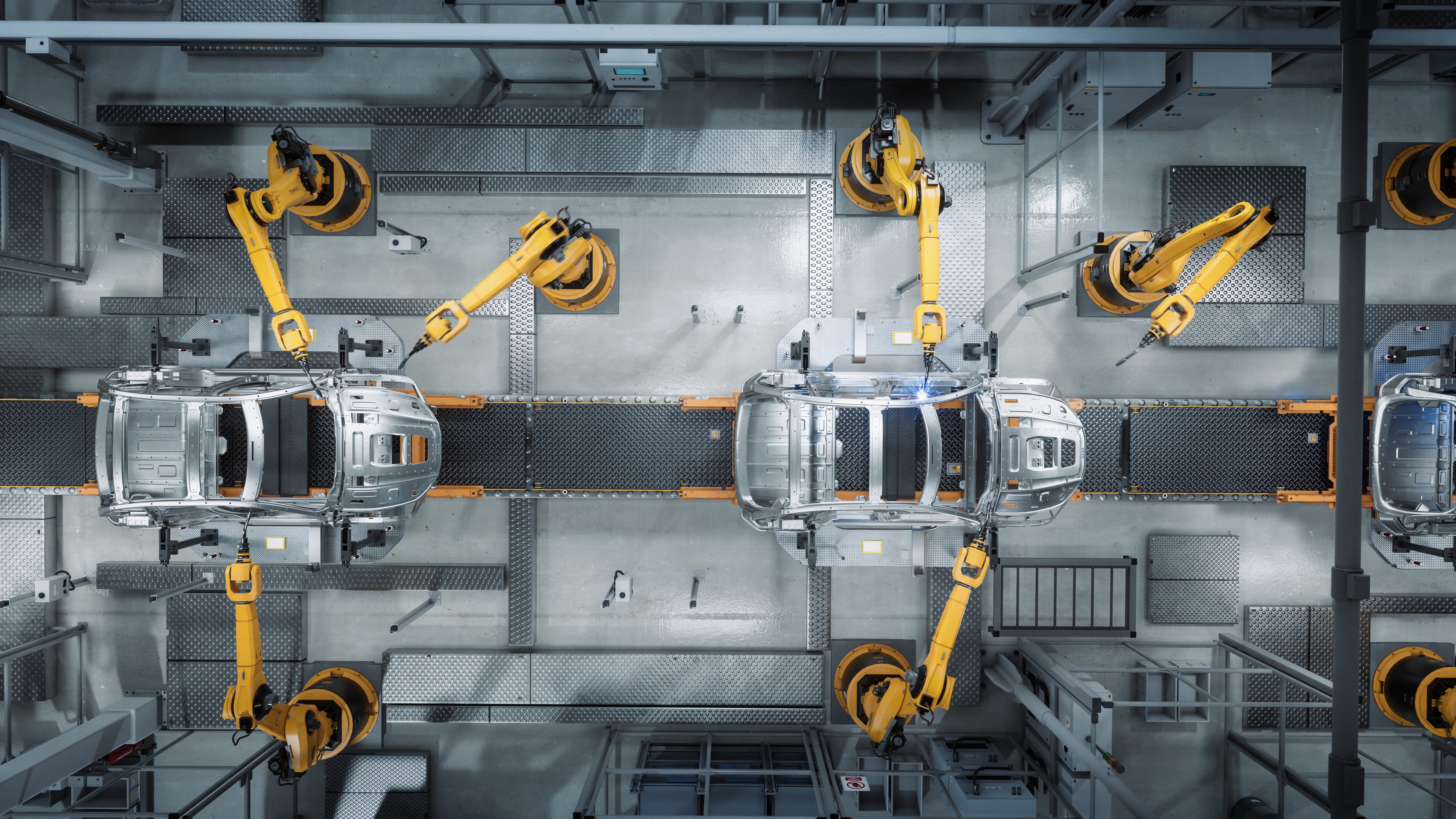
Studies by economists such as Daron Acemoglu and Pascual Restrepo have shown that automation’s labor-market effects vary dramatically by industry structure and adoption timing. Rather than triggering immediate workforce collapse, early automation frequently correlates with productivity gains and organizational expansion.
International Federation of Robotics data further reinforces this complexity. Countries with some of the highest robot densities — including Germany, Japan, and South Korea — continue to maintain strong industrial employment relative to peers. Automation has often preserved domestic production by enabling companies to remain competitive globally.
The reality is less dramatic but more revealing:
Automation initially amplifies competitive advantage rather than eliminating labor outright.
Early adopters rarely deploy robotics primarily to cut jobs. They adopt automation when margins are strong and capital is available. Under those conditions, robots augment human capability, enabling growth rather than contraction.
Employment impacts emerge later, not because robots suddenly become more powerful, but because competitive dynamics reshape the industry.
The Competitive Wave: How Early Adopters Redefine the Market
In the early stages of technological transformation, automation functions as infrastructure.
Organizations that adopt robotics early typically share several characteristics:
Strategic patience.
Financial flexibility.
Leadership willing to redesign workflows.
Organizational cultures open to experimentation.
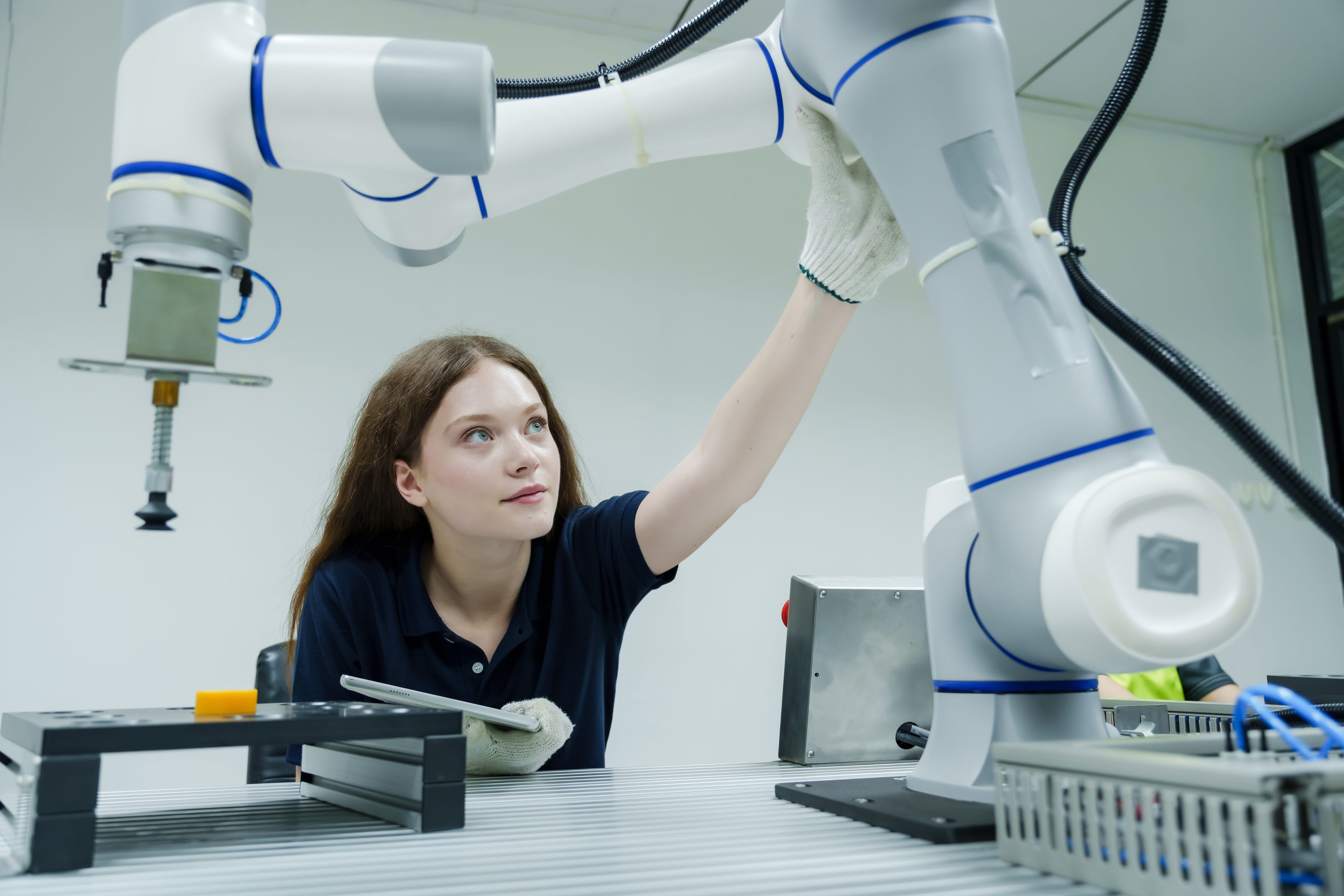
These companies deploy automation gradually, integrating robotics alongside human labor and allowing workflows to evolve organically.
The results are often transformative.
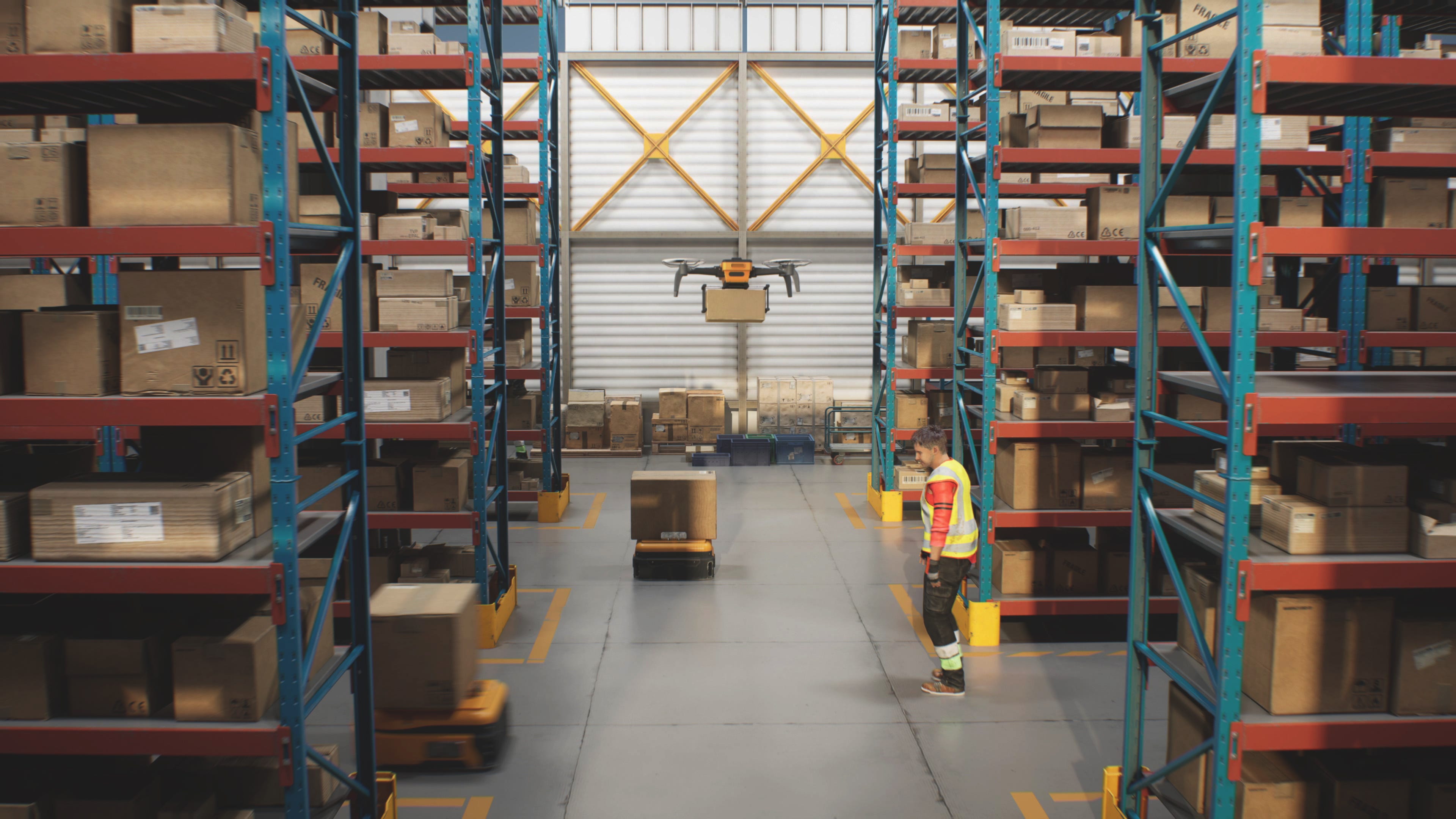
Warehouse operators implementing autonomous mobile robots expand throughput and order capacity. Manufacturers integrating robotics increase output consistency and unlock new production models. Service providers adopting automation improve reliability and responsiveness.
Academic literature describes this phenomenon as the productivity expansion effect — where technological adoption drives sufficient growth to offset labor substitution.
But success for early adopters carries an unintended consequence.
As productivity improves, customer expectations shift. Delivery times shorten. Quality standards rise. Pricing pressures increase.
What began as an internal advantage becomes an external industry benchmark.
Companies that have not adopted automation begin to feel the pressure.
Margins compress. Operational inefficiencies become visible. Competitive positioning weakens.
The second wave is forming.
The Late Adopter Trap: When Automation Becomes Survival
Public anxiety around automation tends to emerge during this phase, when late adopters begin deploying robotics under stress.
Unlike early adopters, these organizations face constrained circumstances:
Reduced capital availability.
Compressed implementation timelines.
Urgent demands for rapid return on investment.
Automation becomes less about innovation and more about survival.
Workforce reductions often accompany this transition, not necessarily because robots inherently replace workers, but because companies need to reduce costs quickly to fund transformation.
This creates a powerful narrative: automation appears to cause layoffs.
Yet the underlying driver is competitive pressure accumulated over years of delayed investment.
Historical examples reinforce this pattern.
In manufacturing, early automation often stabilized domestic employment by maintaining competitiveness against global rivals. Firms that delayed modernization experienced sharper employment shocks during downturns.
In logistics, early robotics adopters built scalable infrastructures that supported explosive growth in e-commerce demand. Competitors that waited faced escalating labor costs and customer expectations they could not meet without restructuring.
Automation did not suddenly become more destructive.
It simply arrived too late.
Uneven Adoption, Uneven Consequences
The Second Wave Problem extends beyond individual companies to entire regions.
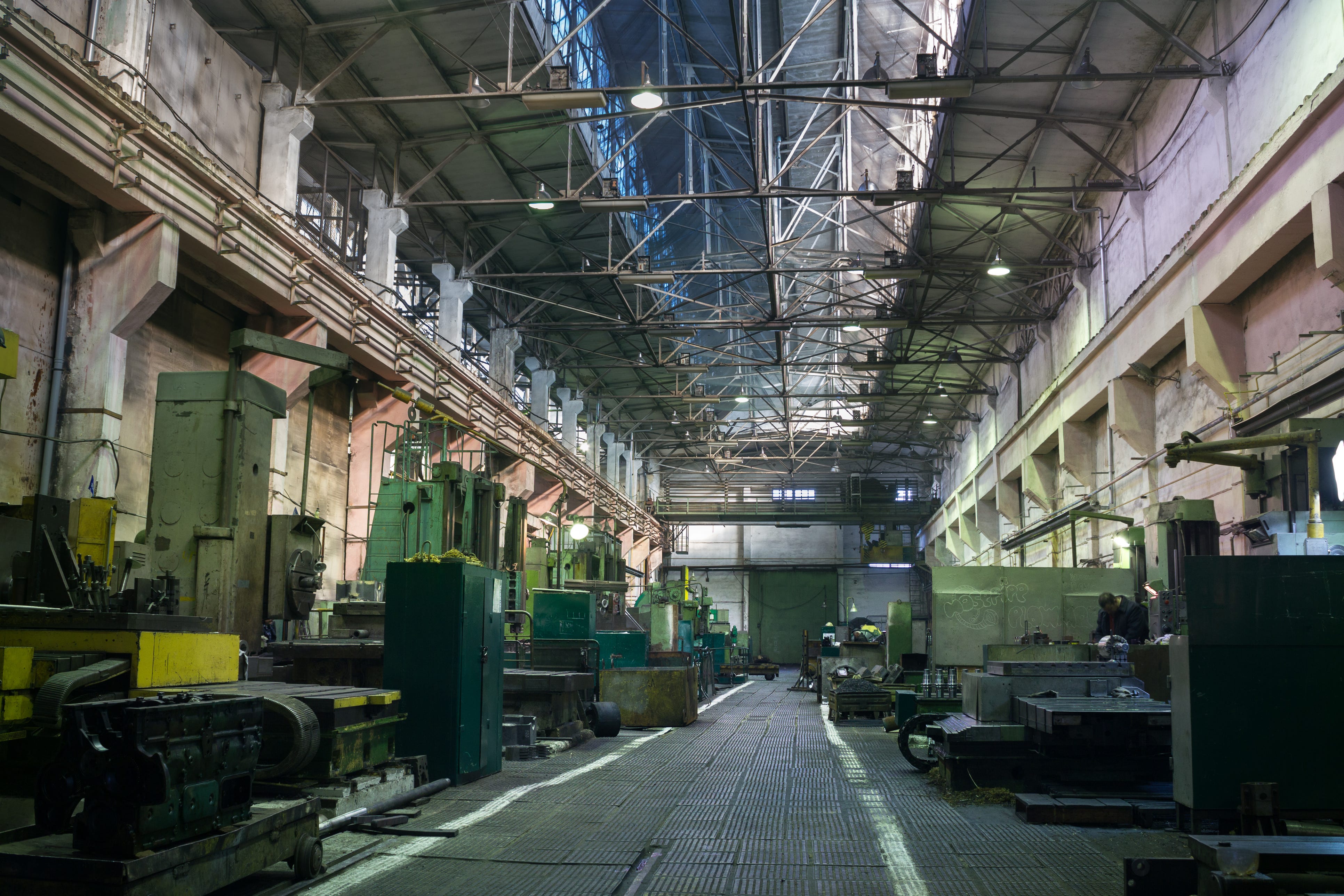
Automation rarely diffuses uniformly across geographies. Some clusters develop innovation ecosystems, attracting investment and building specialized talent pools. Others lag, constrained by legacy infrastructure, capital access, or organizational inertia.
When competitive pressures intensify, the consequences become visible.
Regions built around traditional logistics or manufacturing may experience abrupt economic transitions if local firms delay adoption while global competitors advance.
This uneven timing shapes workforce outcomes. Early adopters often create new roles — robotics technicians, systems integrators, data analysts — while late adopters may experience sudden workforce contractions tied to restructuring.
Understanding this dynamic reframes the automation debate.
The question is not simply whether robots displace jobs.
It is whether industries and regions adopt early enough to transform gradually rather than abruptly.
Organizational readiness plays a decisive role here.
Successful automation requires more than technological capability. It demands:
Infrastructure compatibility.
Workflow redesign.
Human-machine integration strategies.
Clear operational ownership.
Economic alignment between investment and measurable outcomes.
These challenges are organizational and cultural as much as technical. Early adopters have time to address them. Late adopters must solve them simultaneously under pressure.

Rethinking the Automation Debate
If the Second Wave Problem holds true, the central question surrounding robotics shifts dramatically.
Instead of asking whether automation eliminates jobs, we should ask when and how adoption occurs.
Early adoption tends to coincide with growth, experimentation, and workforce evolution.
Late adoption often occurs under financial stress, transforming automation into a defensive measure associated with layoffs and restructuring.
The technology itself has not changed — only the context in which it is deployed.
This insight carries strategic implications.
For business leaders, automation should be viewed as long-term infrastructure rather than a reaction to crisis. Organizations that wait for necessity may find themselves implementing robotics at precisely the moment when they have the least flexibility to adapt.
For policymakers, encouraging early adoption through workforce training, shared infrastructure, and clear standards frameworks may reduce the shock associated with late-stage transformation.
Standards and interoperability, often overlooked in public discussions, play a critical role by lowering adoption friction and enabling gradual integration across industries.
And for workers, the lesson is nuanced but important.
Automation’s greatest disruptions may not come from technology arriving too soon — but from industries waiting too long.
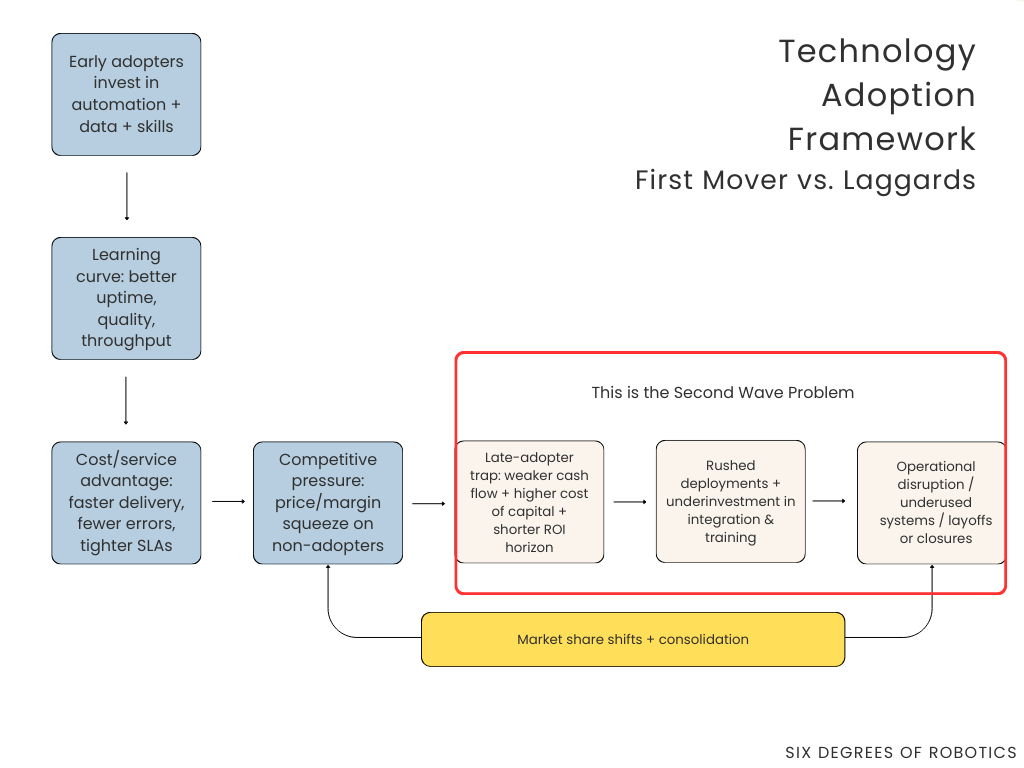
Automation rarely transforms industries overnight. Instead, it reshapes competition slowly, quietly, and unevenly — until the moment arrives when catching up becomes harder than leading.
The companies that move early often grow stronger.
The companies that wait may survive.
But those forced into the second wave experience automation not as opportunity, but as necessity.
That is the Second Wave Problem.
Robot News Of The Week
Intrinsic is joining Google to advance physical AI in robotics
Intrinsic Innovation, a physical AI robotics startup spun out from Alphabet five years ago, is rejoining Google to accelerate the development and deployment of AI-powered industrial robotics. As a distinct group within Google, Intrinsic will continue building its Flowstate robotics platform while leveraging Google’s Gemini models, Cloud infrastructure, and collaboration with DeepMind. The move aims to expand intelligent automation in manufacturing and logistics through modular robotics, digital twins, and simplified development tools. Existing partnerships, including work with Foxconn, will continue, and the leadership team remains unchanged.
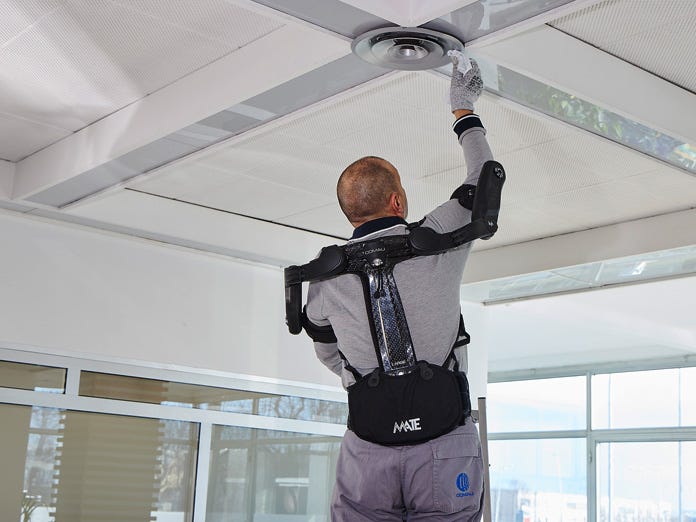
Comau expands wearable robotics portfolio with MATE-XT GO exoskeleton
Comau has launched MATE-XT GO, a lightweight wearable exoskeleton designed to reduce arm and shoulder fatigue during repetitive or overhead tasks. Supporting human-centric automation, the system improves ergonomics, reduces perceived effort by up to 50%, and helps workers perform demanding jobs more safely, efficiently, and comfortably across multiple industries.
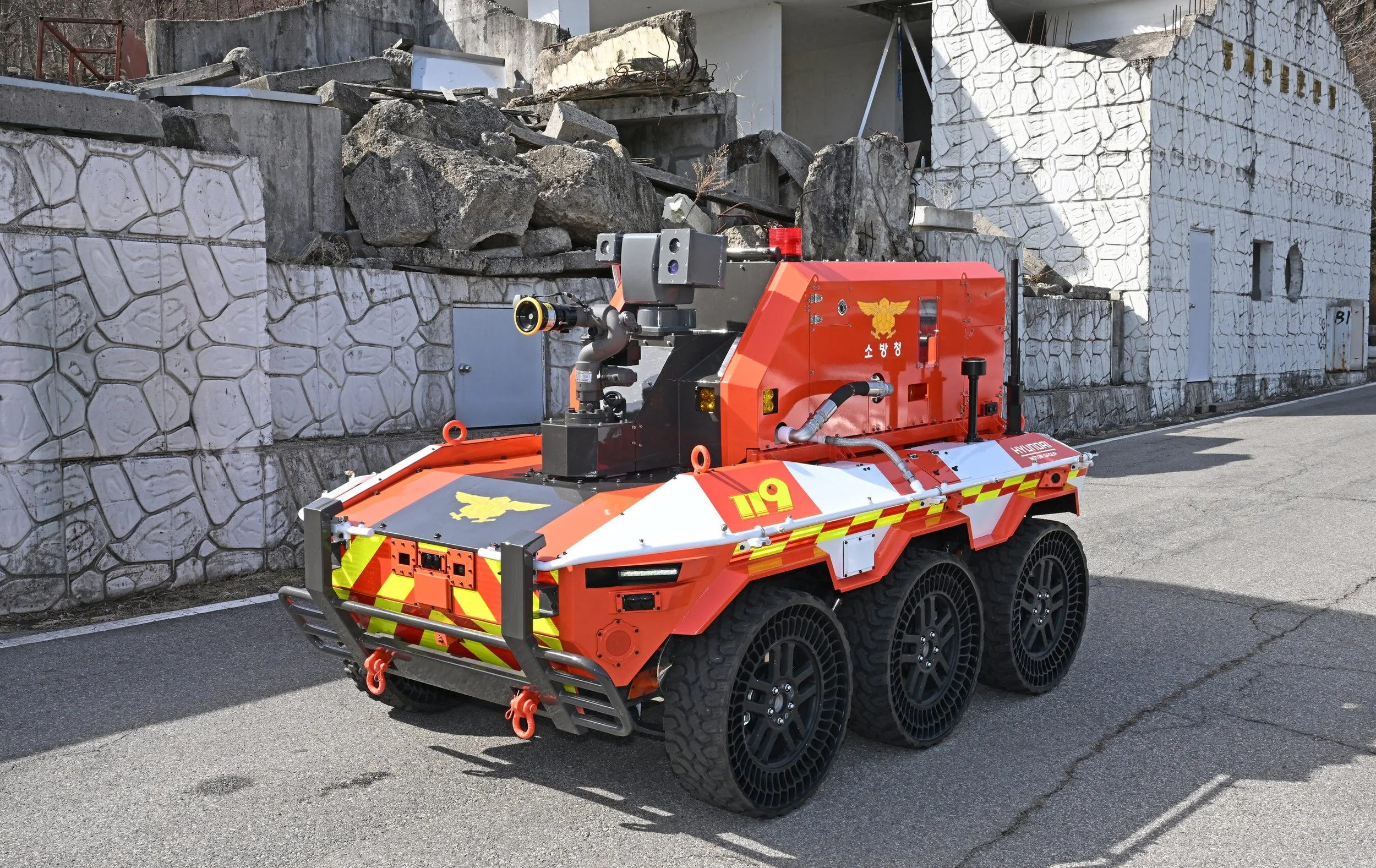
Hyundai’s Firefighting Robots Signal a Shift Toward Robotic First Responders
Hyundai Motor Group has donated four unmanned firefighting robots to South Korea’s National Fire Agency, deploying them in high-risk rescue units. Built on Hyundai Rotem’s HR-Sherpa platform, the robots can withstand extreme heat, operate remotely, and assist with initial fire suppression—marking a shift toward robotic first responders in hazardous environments.
Robot Research Of The Week
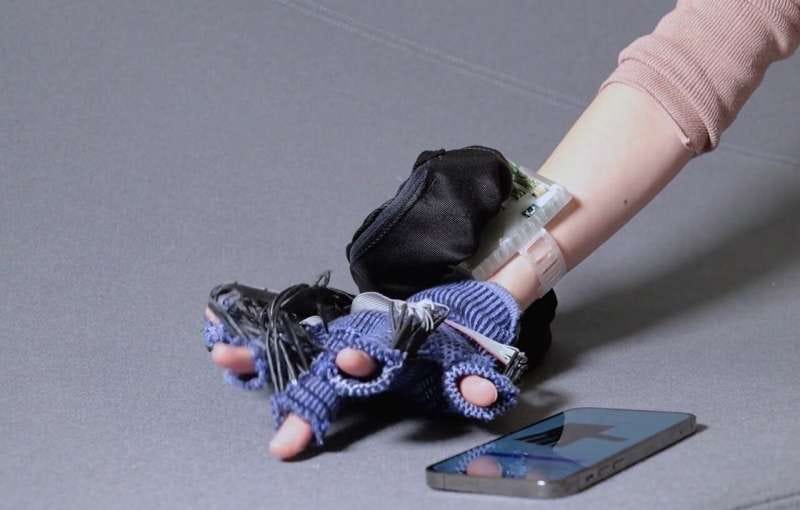
Soft-robotic glove uses 37 actuators to cut hand swelling by up to 25%
Cornell researchers have developed EdemaFlex, a soft robotic glove with 37 actuators designed to reduce hand swelling through personalized compression therapy. Early trials show promising results, including significant volume reduction and safe home use, highlighting the growing role of wearable robotics in personalized healthcare and remote rehabilitation solutions.
Rebalancing the Human Body: How a Hip Exoskeleton Could Change Stroke Recovery
Researchers at the University of Utah have developed a lightweight hip exoskeleton that reduces walking energy by nearly 20% for stroke survivors with hemiparesis. By assisting hip movement rather than the ankle, the device improves gait efficiency, reduces strain, and highlights how wearable robotics can restore mobility and independence after neurological injury.
Robot Workforce Story Of The Week
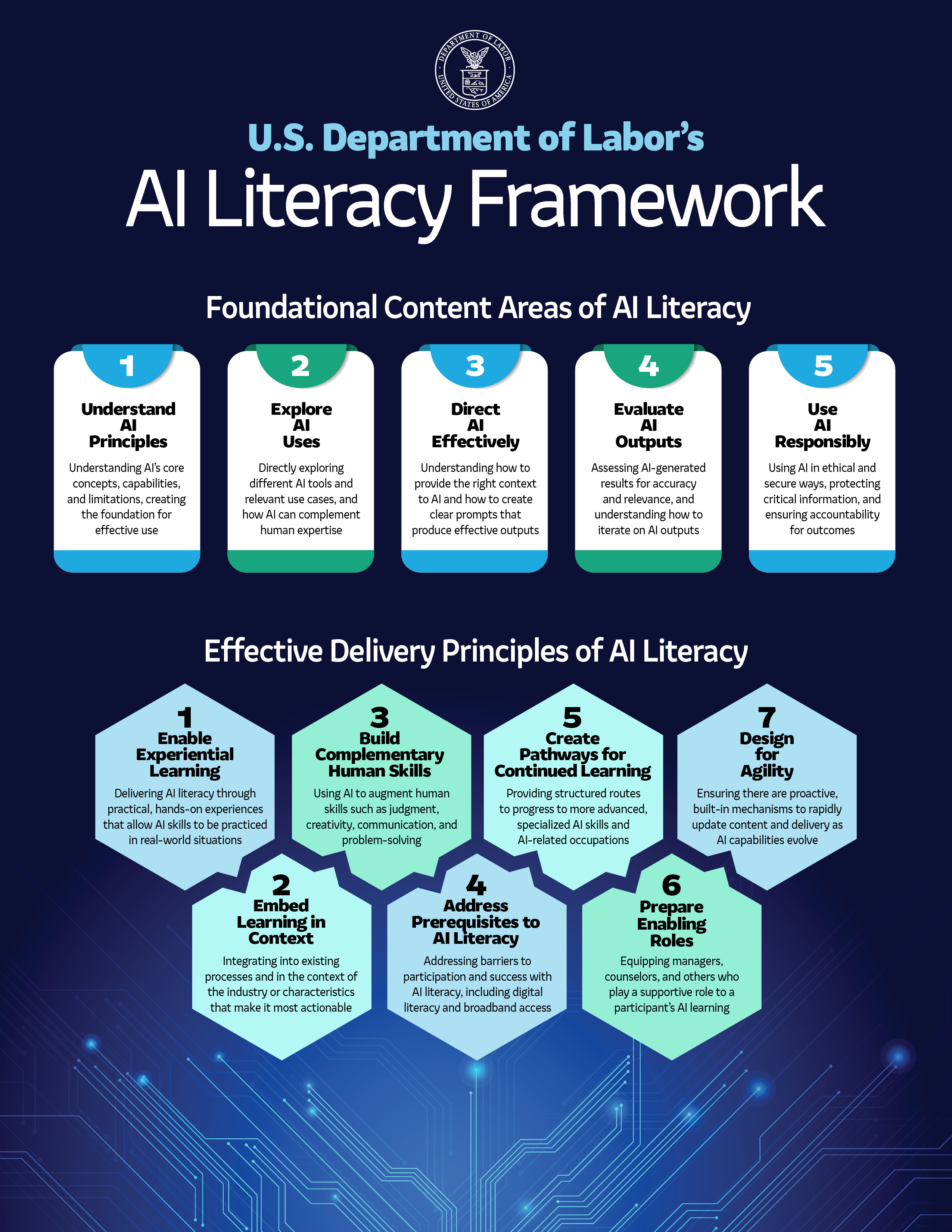
US Labor Department unveils AI literacy framework
The U.S. Department of Labor has released a national AI Literacy Framework to guide workforce and education systems in building artificial intelligence skills. Outlining key content areas and delivery principles, the framework supports flexible, industry-aligned training efforts to prepare American workers and students for an increasingly AI-driven economy, which includes robotics.
Robot Video Of The Week
German Chancellor Friedrich Merz visited the Chinese robotics firm Unitree Robotics in Zhejiang Province in eastern China this week. Accompanied by Wang Xingxing, founder and CEO of Unitree Robotics, Merz examined the company’s robot components and watched demonstrations, including robot martial arts and boxing performances.
Upcoming Robot Events
Mar. 16-19 Intl. Conference on Human-Robot Interaction (Edinburgh, Scotland)
Mar. 23-27 European Robotics Forum (Stavanger, Norway)
Mar. 29-Apr. 1 IEEE Haptics Symposium (Reno, NV)
Mar. 30-Apr. 2 Global Industrie (Paris, France)
Apr. 20-24 Hannover Messe (Hannover, Germany)
May 27-28 Robotics Summit & Expo (Boston, MA)
June 1-5 IEEE ICRA (Vienna, Austria)
June 22-25 Automate (Chicago, IL)
June 23-24 Humanoid Robot Forum at Automate Show (Chicago, IL)
Sept. 14-19 International Manufacturing Technology Show (Chicago, IL)
Sept. 27-Oct. 1 IROS (Pittsburgh, PA)
Oct. 6-8 Motek (Stuttgart, Germany)
Nov. 3-5 International Robot Safety Conference (Detroit, MI)